I spend hours staring at screens every day, whether it's for work, connecting with friends, or just unwinding with a good movie. Lately, I'd been noticing my eyes felt tired and strained, especially after long work sessions. I started wondering if computer glasses were the real deal or just another marketing ploy. So, I decided to do some digging and try a few things out myself.
For years, I've been glued to my computer. Back in high school, it was for games and chatting. Later, I worked in the BPO industry and then transitioned to freelance IT and Marketing. Since 2012, most of my work has been freelance, and before that, I spent years in the BPO industry, starting in 2005. There were times when I was at the screen for two to three days straight, with very little sleep. It definitely took a toll on my eyes.
I started noticing the strain more recently. My eyes felt dry and irritated, and I was getting headaches more often. I considered getting computer glasses, but then I heard different opinions. Some people swear by them, while others say they're just a waste of money. It was confusing!
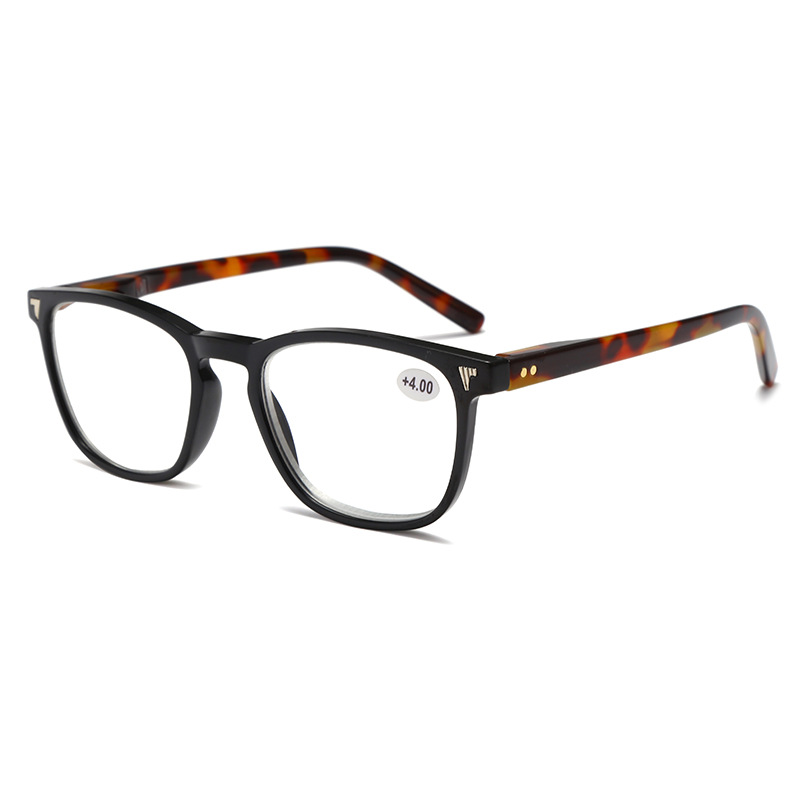
Initially, I was leaning towards buying computer glasses. I even looked at some stylish options, like these Women's Reading Glasses Retro Glasses for Men Ultra Light Presbyopia Glasses from Mozaer. They looked comfortable and promised HD clarity. I thought they might be a good fit for me.
However, before making a purchase, I stumbled upon some advice about eye exercises. The suggestion was to practice the 20-20-20 rule. Every 20 minutes, focus your eyes on something 20 feet away for 20 seconds. It seemed simple enough, so I decided to give it a try.
I started diligently practicing the 20-20-20 rule. I set a timer on my phone to remind me every 20 minutes. At first, it felt a bit disruptive, but I quickly got used to it. I would look out the window at a tree across the street or focus on a distant object in my room.
To my surprise, I started noticing a difference after just a few days! My eyes felt less tired, and I wasn't getting headaches as often. It wasn't a miracle cure, but it definitely helped reduce the strain. I also made sure to blink more often, as I realized I was staring at the screen without blinking for long periods.
While researching computer glasses, I also came across a lot of information about blue light. Many glasses claim to block blue light and reduce eye strain. However, I also read that the effectiveness of blue light glasses is debatable. Some experts say it's mostly a marketing strategy. I even heard from an optometrist that they aren't necessary.
I decided to stick with the eye exercises and focus on other factors that could be contributing to my eye strain, like screen brightness and viewing distance. I adjusted my screen brightness to match the ambient light in my room and made sure I was sitting at a comfortable distance from the screen.
Besides the 20-20-20 rule and adjusting screen settings, I also implemented a few other strategies to reduce eye strain: