As I've gotten older, I've noticed my near vision isn't what it used to be. Holding books and menus further and further away became the norm. I knew it was time to get reading glasses, but the whole process felt a bit overwhelming. I wanted something effective and affordable, without having to jump through too many hoops. My journey to find the perfect pair has been quite the learning experience, and I'm excited to share what I've discovered.
My first thought was to simply order a strong pair online. After all, I figured a higher magnification would solve my problem. However, I quickly ran into an unexpected snag. I needed something stronger than +3.0, and I found it surprisingly difficult to find readily available options. It seemed like many online retailers had limited choices for higher strengths. I was particularly surprised when I couldn't find stronger reading glasses as easily as I thought I would. It felt like I was hitting a wall, and I started to wonder if there were regulations I wasn't aware of.
I even tried ordering a few pairs from different sources, but it was a bit of a gamble. It took several attempts to get the right strength. At one point, I considered going to a local dollar store or a non-chain drugstore, thinking they might carry stronger options. It was a frustrating process, to say the least. I realized that finding the right reading glasses wasn't as simple as just picking a number.
I started digging a little deeper to understand why stronger reading glasses were so hard to come by. I discovered that some places, like New York, have restrictions on the sale of ready-made readers above a certain strength. Apparently, the sale of non-prescription reading glasses stronger than +2.75 is prohibited. This explains why I was having so much trouble finding what I needed online. It made me wonder why these regulations exist, and I started to explore the possible reasons.
One theory I came across was that the eyeglass industry might be influencing these restrictions. The idea is that by limiting the availability of strong, ready-made readers, they can encourage people to get eye exams and purchase more expensive, prescription glasses. While I can't say for sure if this is the case, it certainly makes you think about the economics behind the eyeglass market. It felt like I was caught in the middle of something bigger than just my own vision needs.
Faced with these challenges, I started looking for alternative solutions. One option I considered was having them shipped to a relative in another state with fewer restrictions, and then having them mail the glasses to me. It seemed a bit convoluted, but I was determined to find a way to get the reading glasses I needed without breaking the bank. I also started researching online retailers that might ship from outside of regulated areas.
During my search, I stumbled upon the Mozaer Collection. I found a style I liked, and the price point was reasonable, so I decided to give them a try. They had a good selection of different strengths and frame styles. I was looking for something that was both functional and stylish. It felt like a good compromise between affordability and quality.
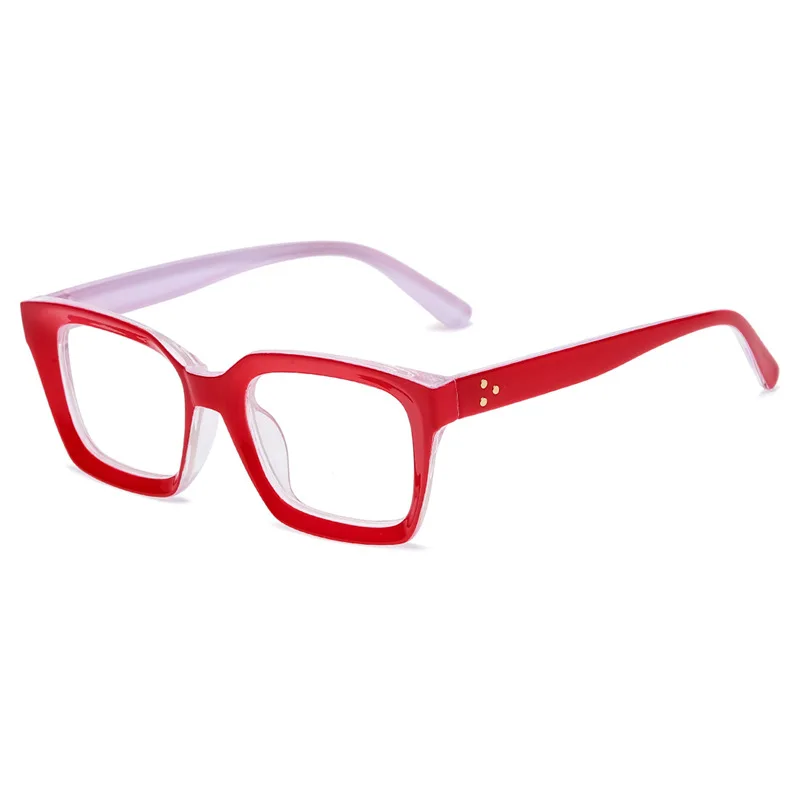
I eventually found a pair of New Oversized Square Reading Glasses from Mozaer that seemed promising. I liked the oversized frame and the high-definition lenses. They were available in the strength I needed, and the reviews were positive. I decided to take a chance and ordered a pair in +3.00. I was pleasantly surprised by the quality and clarity they provided. The large frame made them comfortable to wear for extended periods, and the lenses were clear and sharp. They've become my go-to pair for reading and close-up work. I find the high-definition lenses really make a difference when I'm reading for long periods.
I've learned a few things during this process. These are the key elements I now look for in reading glasses: