We all want clear vision for reading, whether it's for books, computer screens, or tiny print on packaging. But buying reading glasses, especially online, can be tricky. I've been there, making choices that ended up costing me more time, money, and eye strain. I get it, we all want to save money, but sometimes that leads to big regrets.
Let me share the common errors I made. Learn from me so you can find the right reading eyeglass prescription and eyewear that actually helps your vision, not hurts it. Don't make my error; choose wisely!
My first big mistake was always looking for the absolute lowest price. I saw a pair of reading glasses for just a few dollars, and my wallet cheered. I thought, "Why pay more when these do the same job?" Boy, was I wrong.
The frames felt like brittle plastic. The lenses were thin and easily scratched. Within days, they felt flimsy. After a week, one arm snapped off while I was putting them on. It wasn't just about the cheap materials; the vision correction felt off. My eyes would tire quickly, and I often got headaches. I was buying a new "cheap" pair every few weeks, and it added up quickly.
Verdict: Super cheap usually means low quality. Don't just look at the price tag. Think about how long they will last and if they will actually help your eyes. If the price seems too good to be true, it probably is.
When buying my early reading glasses, I didn't know what to look for. I just assumed all glasses were pretty much the same. I never checked the materials or how they were made. This was a big oversight.
I learned the hard way that cheap plastic frames often have poor hinges. The screws loosen easily, or the hinge itself breaks. The lenses in these low-cost glasses often have distortions, which means your vision isn't as clear as it should be. Sometimes, the lens coating, if any, wears off fast. I ended up with glasses that felt wobbly on my face or had lenses that smudged and scratched even with careful cleaning.
Verdict: Always check for quality indicators. Look for durable materials like metal frames or high-quality plastic. Clear, scratch-resistant lenses are a must. Strong hinges mean your glasses will last longer. Good quality helps your eyes stay healthy and your glasses stay in one piece.
I used to just click on the first decent-looking pair I saw. I never scrolled down to read what other buyers thought. This was a huge mistake. Pictures can look great, but real user experiences tell the true story.
I once bought a pair that looked good online, but when they arrived, they were tiny! They squeezed my head and left red marks. If I had just taken two minutes to read the reviews, I would have seen many people saying, "Runs small" or "Not for larger faces." I learned that reviews often tell you about fit, comfort, actual clarity, and how well the product lives up to its description.
Verdict: Don't make my error. Always read buyer reviews. They give you honest feedback on fit, durability, and whether the glasses perform as promised. Look for patterns in feedback, good and bad. This small step can save you a lot of trouble.
I was often swayed by catchy ads and descriptions full of big promises. "Super lightweight!" "Ultimate clarity!" "Anti-glare technology!" I believed these claims without checking if they were real. The ads made the glasses seem like a magical solution to all my vision problems.
But many times, the glasses arrived, and they were just... okay. The "anti-glare" lenses still showed reflections. My eyes still strained after a short time on the computer. I realized that a good advertisement doesn't always mean a good product. Sometimes, basic features are oversold, or important details are left out.
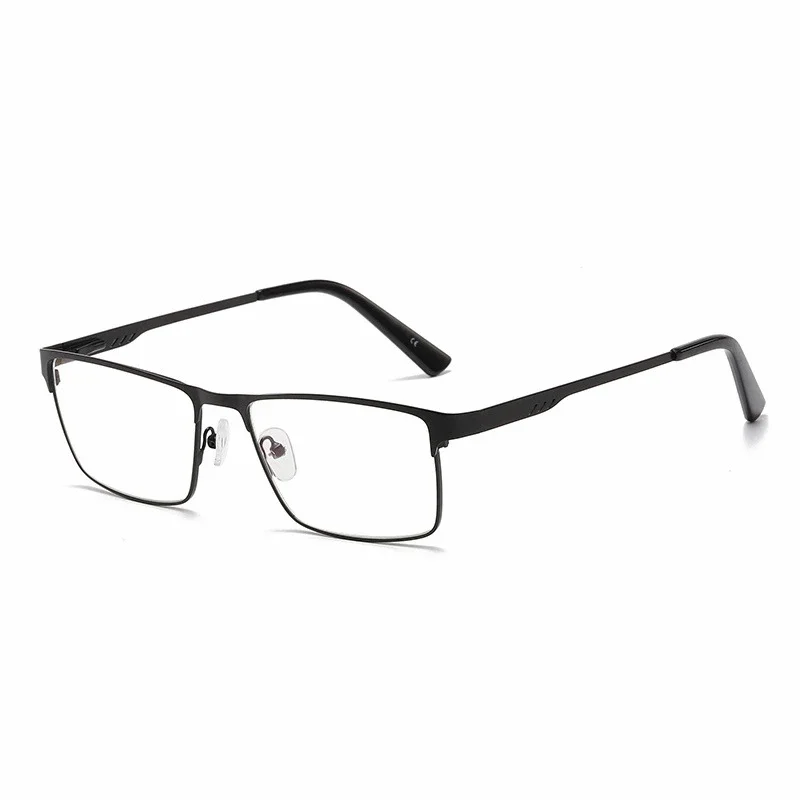
Verdict: Don't trust ads alone. Look for proof, not just promises. Compare the features against real user experiences. A high-quality product like the Mozaer Men Square Metal Large Frame Reading Presbyopia Glasses often speaks for itself through good reviews and clear product details, rather than just flashy marketing.